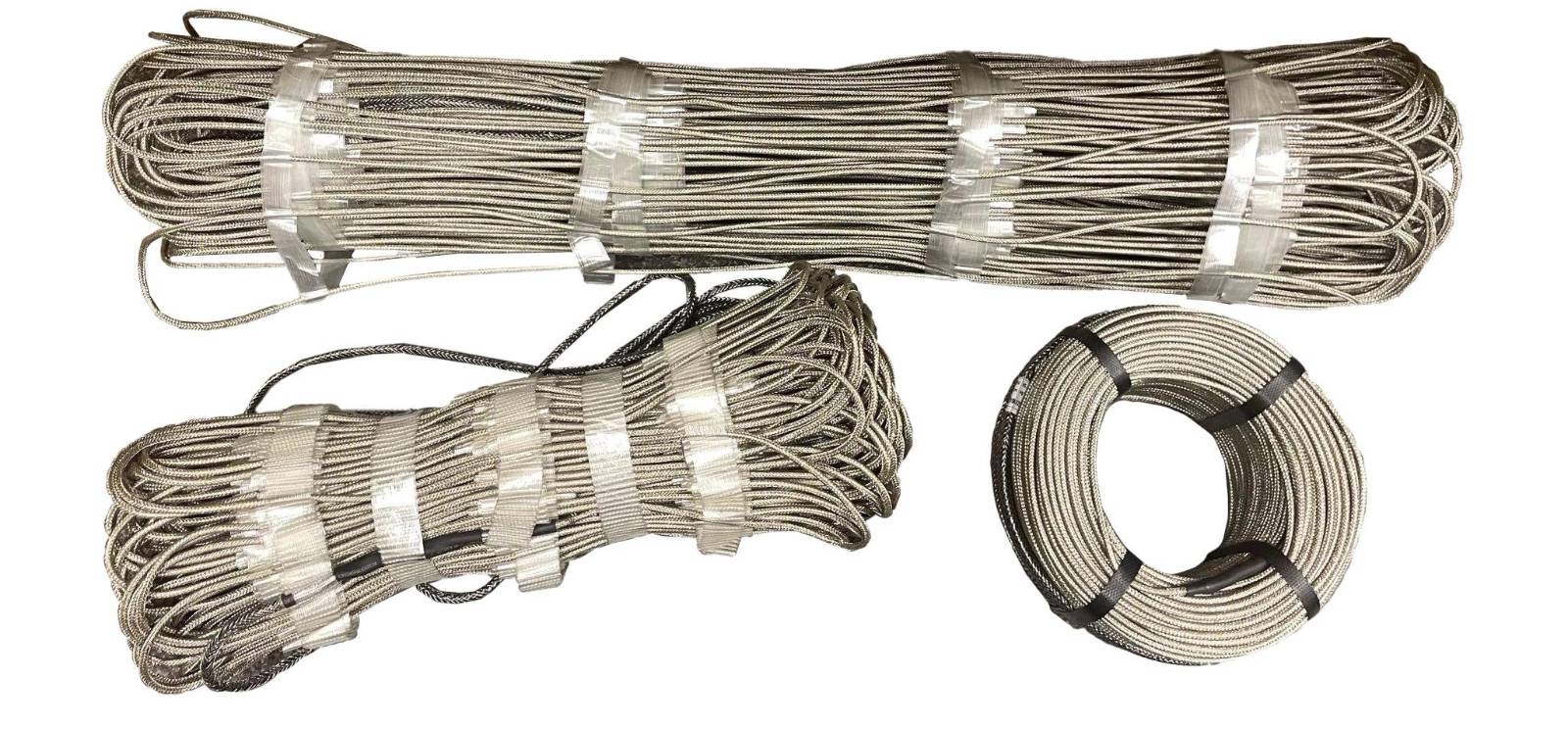
Electric cable or mat
Heating cables are laid in a pattern beneath the concrete, asphalt, or pavers and run on household power.
- Install cost
- Lower
- Running cost
- Higher per hour of use
- Best for
- Small to mid-size drives, ramps, walkways, steps

A heated driveway melts snow and ice from underneath, so there’s nothing to shovel, plow, or salt. Learn how the systems work, what they cost, and how installation goes.
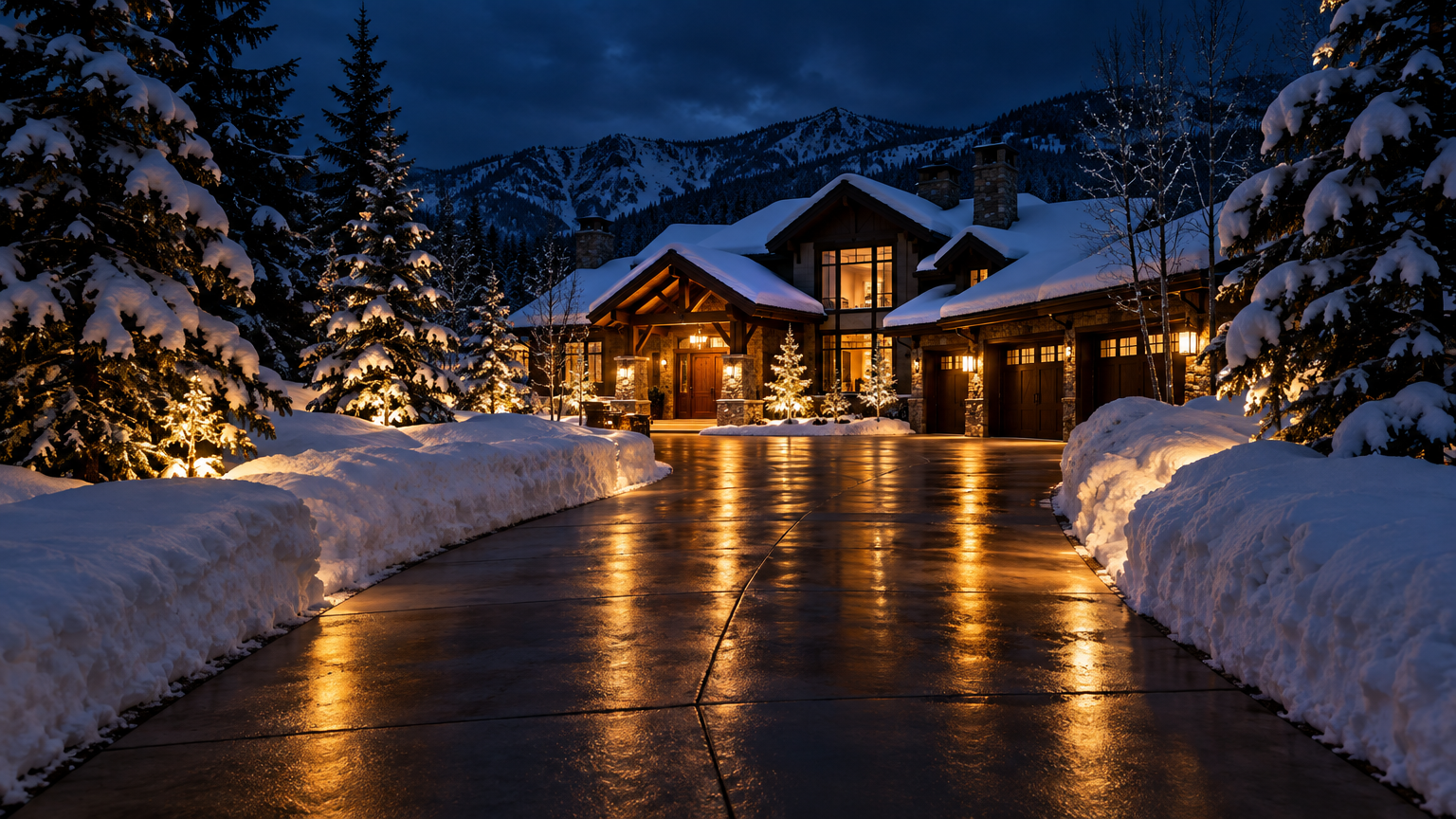
Both systems sit just under the surface and switch on automatically when a sensor detects cold and moisture. The right one depends on the size of your driveway and how long you’ll own the home.
Heating cables are laid in a pattern beneath the concrete, asphalt, or pavers and run on household power.
A boiler warms a water and antifreeze mix that circulates through PEX tubing under the surface.
The point of a heated driveway is everything it removes from your mornings.
Snow melts as it falls, so there’s no pile to move and no plow to book.
Skip the deicers that stain concrete, corrode metal, and wash into your lawn.
A dry surface is safer for kids, older family members, and delivery drivers.
Sensors start the system on their own, and timers or an app let you run it only when needed.
We measure the driveway, check the slope, drainage, and power or boiler access, and look at your current surface.
You get an electric and a hydronic option when both fit, with install and running costs side by side.
The old surface comes out if needed. The base is graded, then cable or tubing goes down with sensors and a controller.
The new concrete, asphalt, or pavers go over the system. We test it before handoff and show you the controls.
Colorado storms drop heavy snow, and cold nights refreeze whatever melts in the sun. When ice forms at an entrance, the property carries the risk. Electric systems keep entrances, ramps, and loading areas clear automatically so they stay open and safe all winter.
Steep drives, long approaches, and shady north-facing entries are common in the foothills and mountains. A heated driveway clears them without a plow, shovel, or salt.
Outdoor snow-melting and deicing equipment is covered by Article 426 of the National Electrical Code, which includes ground-fault protection. Local codes and utilities may add requirements.
Heating a driveway is a real investment, and the quote depends on a handful of things you can see up front.
Rough ballpark: many US installs land between $12 and $30 per square foot of heated area, before resurfacing. Your estimate will be specific to your site.
Usually yes, but the surface has to come up first. Cable or tubing goes in the base or just under the new surface, so a retrofit is often paired with repaving.
No. A sensor detects cold and moisture and starts the system only when snow or ice is present. Many owners also add a timer or app control to start early before a storm.
Concrete, asphalt, and pavers all work. Loose gravel isn’t a good fit because there’s no solid layer to hold the heating system in place.
Not always. Many homeowners heat only the tire tracks, the walkway, or the steepest section to cut cost.
Yes, when the system is sized for the site. Colder, higher locations need the right heat output and controls, which is why we start with a site survey.
It depends on the heated area, heat output, local electric rates, and how often it runs. Sensors and idle modes keep run time down by heating only when snow or ice is present.
Electric is often simpler for homes, walks, and stairs. Hydronic can suit large driveways and commercial paving. We recommend based on size, power, and operating cost.
Tell us your zip code, driveway size, and surface. We’ll reply with next steps and a free estimate.